
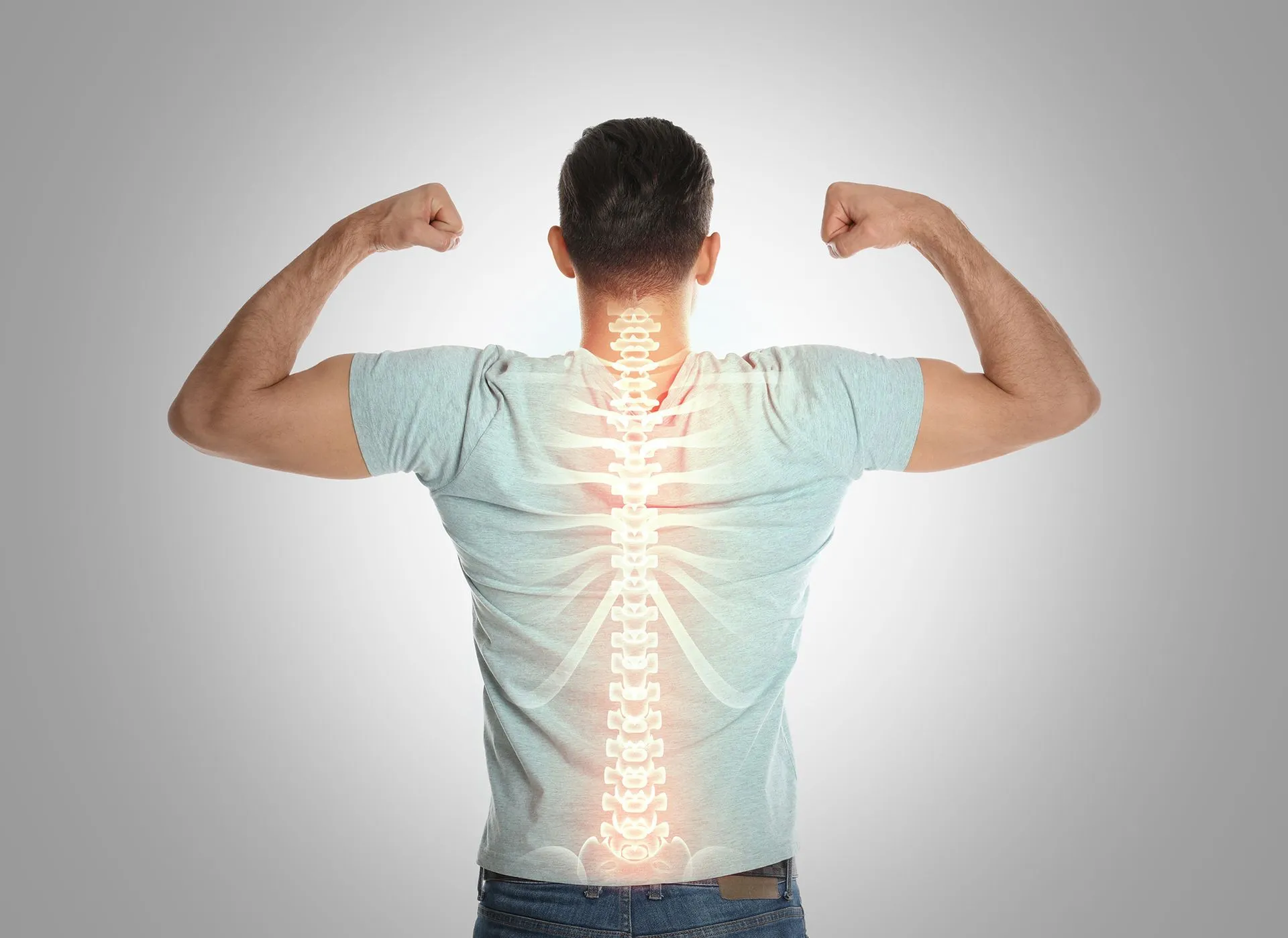
We already know what sugar does to teeth: a slow, silent erosion of the enamel that only shows up as a cavity years later. Sitting works on your spine in almost exactly the same way. It is quiet, it is comfortable, and it is doing damage under the surface long before anything hurts.
What Sitting Actually Does to Your Spine
The spine is designed to move. Its disks have no direct blood supply. They get their nutrients and hydration by being squeezed and released as you move. When you sit for hours, several things happen:
- Disks stay compressed and stop pumping in fresh fluid
- Hip flexors shorten and pull the pelvis into an anterior tilt
- The mid-back rounds forward, loading the neck like a bowling ball on a bent flagpole
- Deep spinal muscles shut off, and the surrounding "helper" muscles get overused
- Nerve tension increases as the spine loses its natural curves
Research has repeatedly linked prolonged sitting to accelerated disk degeneration, chronic low back pain, and even higher all-cause mortality, independent of how much you exercise.
The "Sitting is the New Sugar" Framing
Just like small amounts of sugar are fine but continuous sugar exposure erodes teeth, occasional sitting is fine but continuous, unbroken sitting erodes your spine. The problem isn't the chair, it is the uninterrupted duration. That is why your dentist tells you to brush every day, not once a year for six hours straight. Your spine deserves the same courtesy.
Three Habits That Actually Fit Into a Workday
1. The 30-Minute Reset
Set a timer. Every 30 minutes, stand up, walk 60 seconds, and do 3 slow shoulder rolls and 3 gentle back extensions. This one habit alone can dramatically reduce end-of-day stiffness because you never let the disks stay compressed long enough to dehydrate.
2. Two Minutes of Spinal Hygiene, Twice a Day
Just like brushing your teeth, spinal hygiene is a small, non-negotiable input that pays off over decades. Cervical retractions, thoracic openers, and hip-hinges done morning and night take less time than making coffee. Tools like the thoracic roller, 6-way strap, and lumbar mobility disk make it easier to stay consistent.
3. Reframe "Exercise" as "Movement Snacks"
You do not need a 60-minute gym block to protect your spine. Ten squats before lunch, a walk after dinner, and carrying groceries instead of using a cart all count. The best predictor of long-term spinal health is frequency of movement, not intensity of any single workout.
The Bigger Picture
If you have chronic tightness, headaches, sciatic-type discomfort, or you feel older than your age at the end of a workday, sitting is very likely part of the equation. The good news: unlike a cavity, spinal degeneration is significantly slowable (and in many cases the pain component is reversible) once the pressure comes off and daily motion goes back in.
Want to know exactly where your spine stands right now? Come in for a Spinal Health Assessment or book a consultation. We will show you the picture in plain English and help you build a movement rhythm that fits your real life.
About the Author
Dr. Brad Fackrell
Synergy Spine and Nerve Center · Rio Rancho, NM
Dr. Brad and the Synergy team are committed to gentle, principled chiropractic care that supports your body's natural ability to heal. Have a question about an article? Bring it up at your next visit, we love the conversation.