
If you have ever left a spa massage feeling relaxed for a day and then right back to the same neck or low-back pain by the middle of the week, you are not imagining it. Spa massage and medical massage look similar from the outside, but they are built for two very different jobs. Knowing the difference can save you months of frustration, and quite a bit of money.
Spa Massage: Designed for Relaxation
Spa massage is wonderful at what it is designed to do: calm your nervous system, lower stress hormones, and give you an hour of quiet. The technique is usually long, gliding strokes at a light-to-moderate pressure, often with aromatherapy and warm towels. There is no exam, no orthopedic testing, and no specific outcome being tracked. The goal is how you feel when you walk out the door.
Medical Massage: Designed to Change Tissue and Symptoms
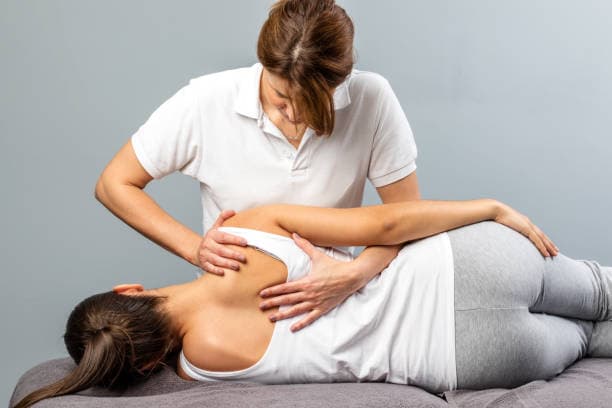
Medical and sports massage at Synergy Spine and Nerve Center is a completely different tool. It starts with a targeted assessment: where is the pain, which movements aggravate it, and which muscles and fascia are actually driving the problem? From there the therapist uses techniques like trigger point release, myofascial work, cross-fiber friction, and pin-and-stretch to change the tissue itself. Sessions are focused, sometimes uncomfortable in the moment, and always working toward a measurable outcome.
The Big Practical Differences
- Intake: spa = "any injuries?"; medical = full history, movement screen, and a plan tied to your chiropractic care.
- Pressure and technique: spa is general and rhythmic; medical is region-specific and problem-specific.
- Outcome: spa aims for relaxation; medical aims for restored range of motion, less pain, and better function.
- Follow-up: spa is one-off; medical is dosed, reassessed, and progressed like any real treatment.
When Medical Massage Really Shines
Medical massage tends to move the needle fastest on issues like:
- Chronic neck and shoulder tension that comes back within days of a spa visit
- Headaches and migraines with a clear muscular component
- Low-back pain and sciatic-type discomfort from tight hips and glutes
- Post-collision soft-tissue injuries alongside accident care
- Athletes prepping for or recovering from training
It also pairs powerfully with chiropractic adjustments. The adjustment restores joint motion; the massage keeps the surrounding muscles and fascia from yanking that joint right back into its old pattern. One without the other is often the reason people feel "80 percent better and then stuck."
How to Choose for Yourself
Ask one honest question: am I trying to feel calmer today, or am I trying to fix something that keeps coming back? If the answer is the first, a spa is a great choice. If the answer is the second, you want a therapist who will examine you, work with your chiropractor, and track whether your pain and function are actually changing week to week.
Not sure which category you fall into? Come in for a Spinal Health Assessment or book a consultation and we will help you match the right kind of care to the problem you are actually trying to solve.
About the Author
Dr. Brad Fackrell
Synergy Spine and Nerve Center · Rio Rancho, NM
Dr. Brad and the Synergy team are committed to gentle, principled chiropractic care that supports your body's natural ability to heal. Have a question about an article? Bring it up at your next visit, we love the conversation.