
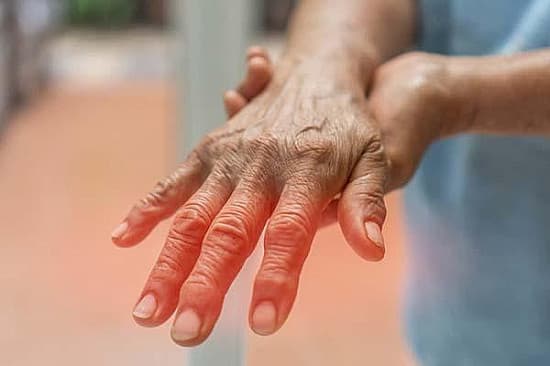
Peripheral neuropathy is one of those conditions that likes to sneak up on people. It starts small: a little numbness at bedtime, a burning toe, a hand that "falls asleep" more often than it used to. By the time most folks come in asking for help, the nerves have been struggling for months or years. Catching it early makes a huge difference, because damaged peripheral nerves are much easier to rehabilitate before they atrophy.
Here are five early warning signs we see most often in our neuropathy program.
1. Numbness or Tingling in the Feet or Hands
The classic first symptom is a "pins and needles" feeling, especially in the toes, soles, or fingertips. It may come and go at first, worse at night, better when you walk it off. That intermittent stage is prime time to intervene. Once numbness becomes constant, the underlying small-fiber nerves have already lost function.
2. Burning, Stabbing, or Electric-Shock Pain
Neuropathic pain does not feel like a normal muscle ache. Patients describe it as burning, stabbing, "walking on glass," or sudden electric jolts that come out of nowhere. Over-the-counter pain relievers usually barely touch it, because the pain is generated inside the nerve itself, not from tissue damage in the area.
3. Loss of Balance or Sure-Footedness
Your feet are packed with proprioceptive nerves that tell your brain exactly where the ground is. When those nerves get sick, you start losing balance in the dark, tripping on curbs, or feeling unsteady on stairs. This is a big one, and falls are one of the most serious downstream risks of untreated neuropathy.
4. Muscle Weakness or Cramps in the Legs and Hands
Motor nerves can be affected right alongside the sensory nerves. Early signs are subtle: your grip is a little weaker, you drop things more often, or your calves cramp aggressively at night. If you notice yourself "shuffling" or catching a toe when you walk, don't wait.
5. Skin, Nail, or Temperature Changes
Because peripheral nerves also regulate blood flow and sweat, the skin on your feet and hands may look different: shinier, drier, hairless, or discolored. You may feel one foot as significantly colder than the other, or notice slow-healing sores. These autonomic clues are frequently missed by people (and by clinicians who aren't looking for them).
Why Early Matters
Peripheral nerves have a limited ability to regenerate, but only if the cell body is still healthy and the underlying cause (blood sugar, inflammation, mechanical compression, nutrient deficiency, toxicity) is addressed. That is why our neuropathy protocol combines nerve rehabilitation with lifestyle, nutritional, and structural care rather than just prescribing another pain medication.
What to Do Next
If two or more of these signs sound like you, do not wait for it to "get worse and then decide." Book an evaluation. We use quantitative sensory testing, nerve exams, and a full history review to figure out exactly what stage your nerves are in and whether they are still responsive to care.
Schedule your neuropathy evaluation and let's find out where you really stand.
About the Author
Dr. Brad Sandler
Synergy Spine and Nerve Center · Rio Rancho, NM
Dr. Brad and the Synergy team are committed to gentle, principled chiropractic care that supports your body's natural ability to heal. Have a question about an article? Bring it up at your next visit, we love the conversation.